Upcycled Bird Seed Sack
Upcycled Bird Seed Sack
A completely microplastic-free gift for both wildlife and the planet
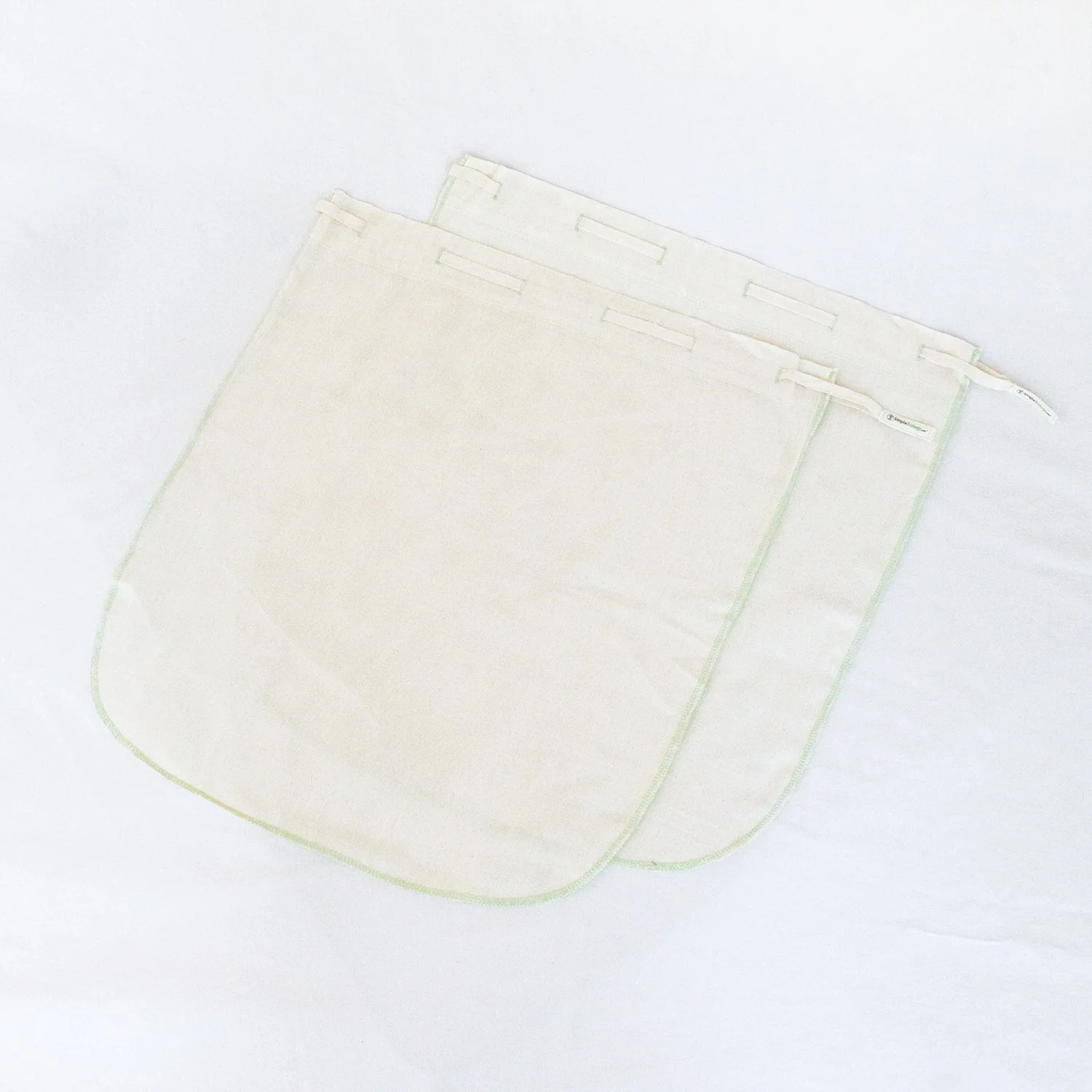
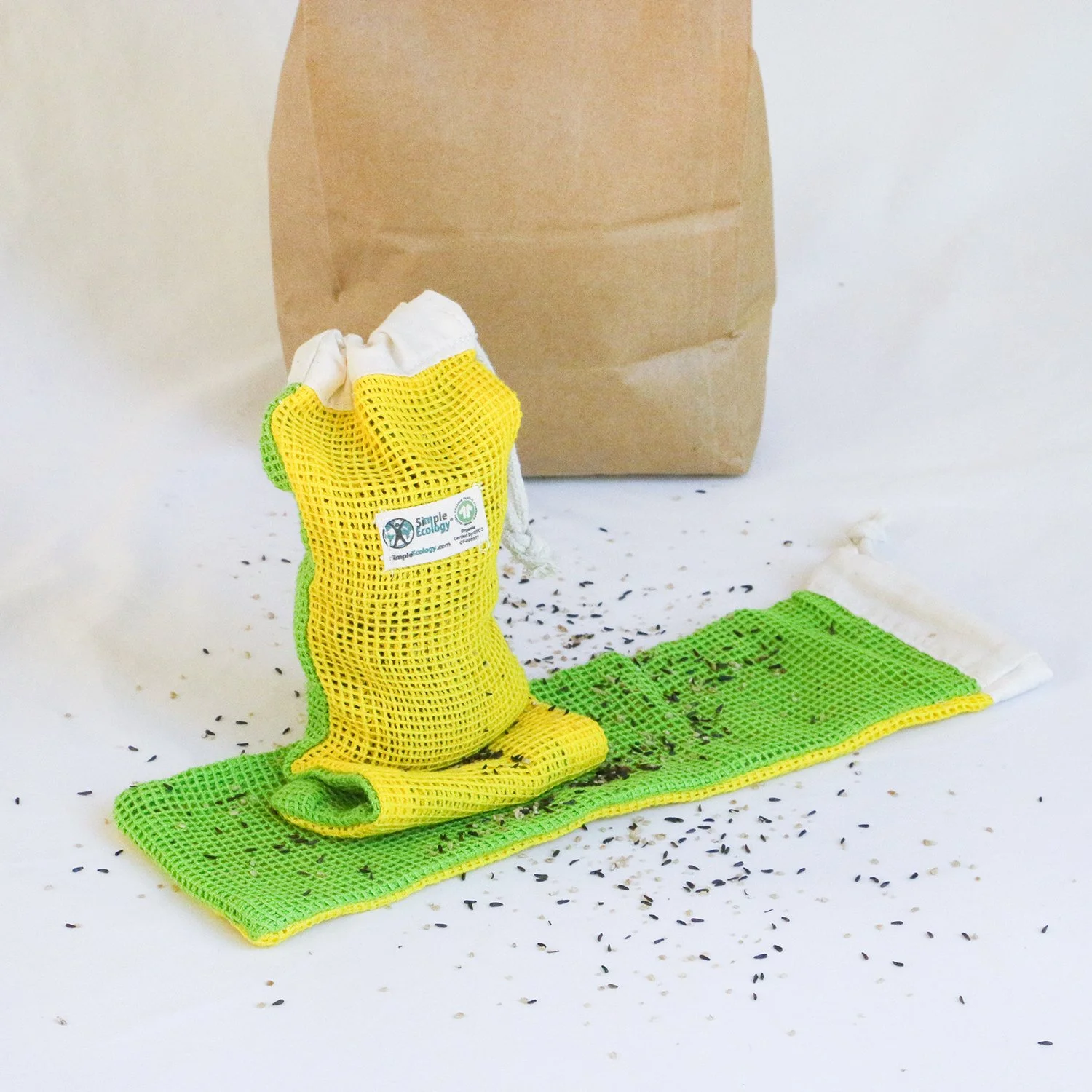
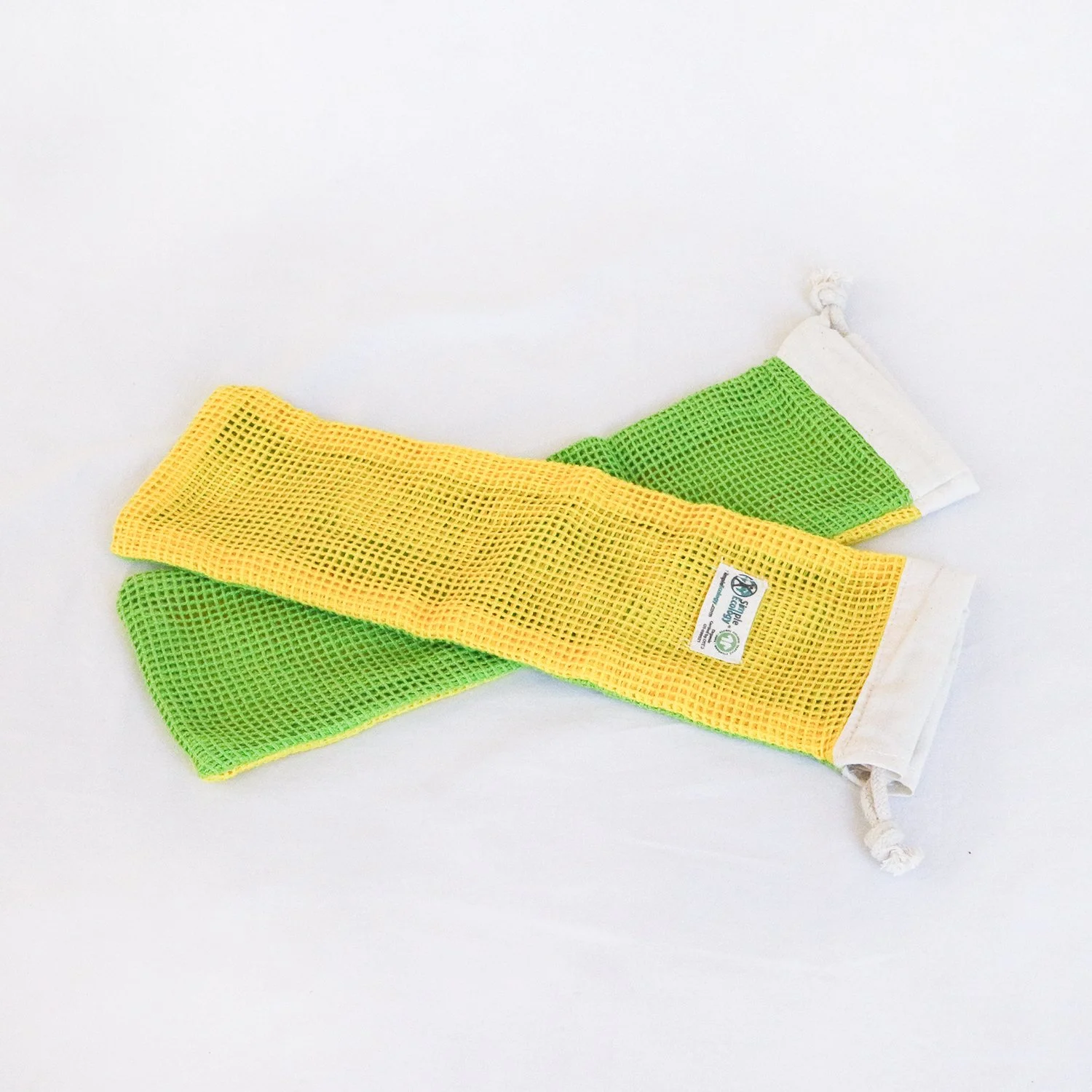
Made from double-layered upcycled organic cotton mesh and compostable at the end of life
Designed to hold thistle & nyjer seeds for finches, chickadees, & small songbirds
Set comes with 2 seed sacks measureing 12.5 in long x 3.5 in wide
Global Organic Textile Standards (GOTS) certified for both ECOLOGY and SOCIAL RESPONSIBILITY
PACKAGING - No retail packaging destined for landfills, orders ship in a Kraft paper clasp envelope, made of sustainably harvested paper, which can be reused, with receipts printed on tree-free paper made of repurposed sugar cane pulp that can be recycled or composted
PRODUCT DETAILS
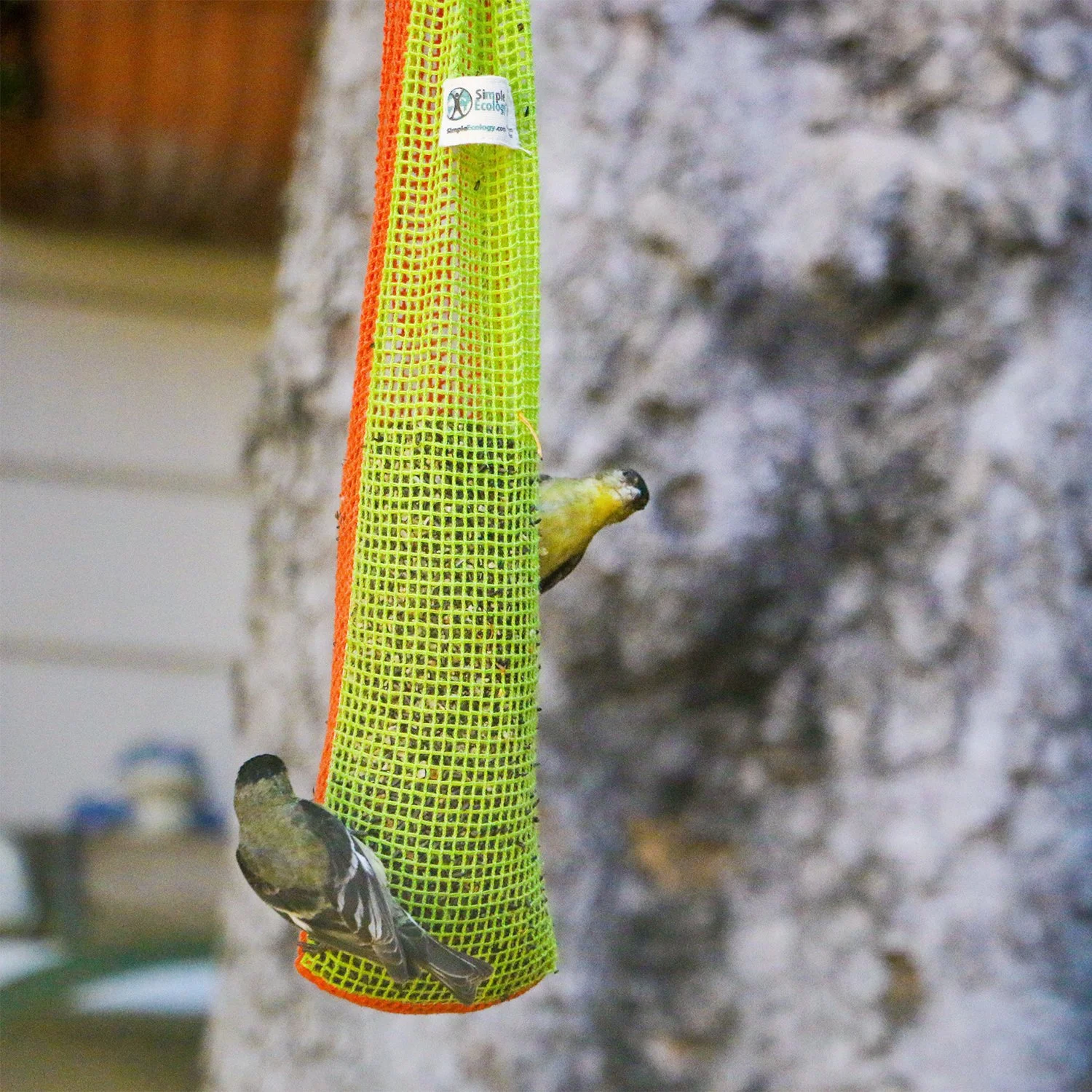
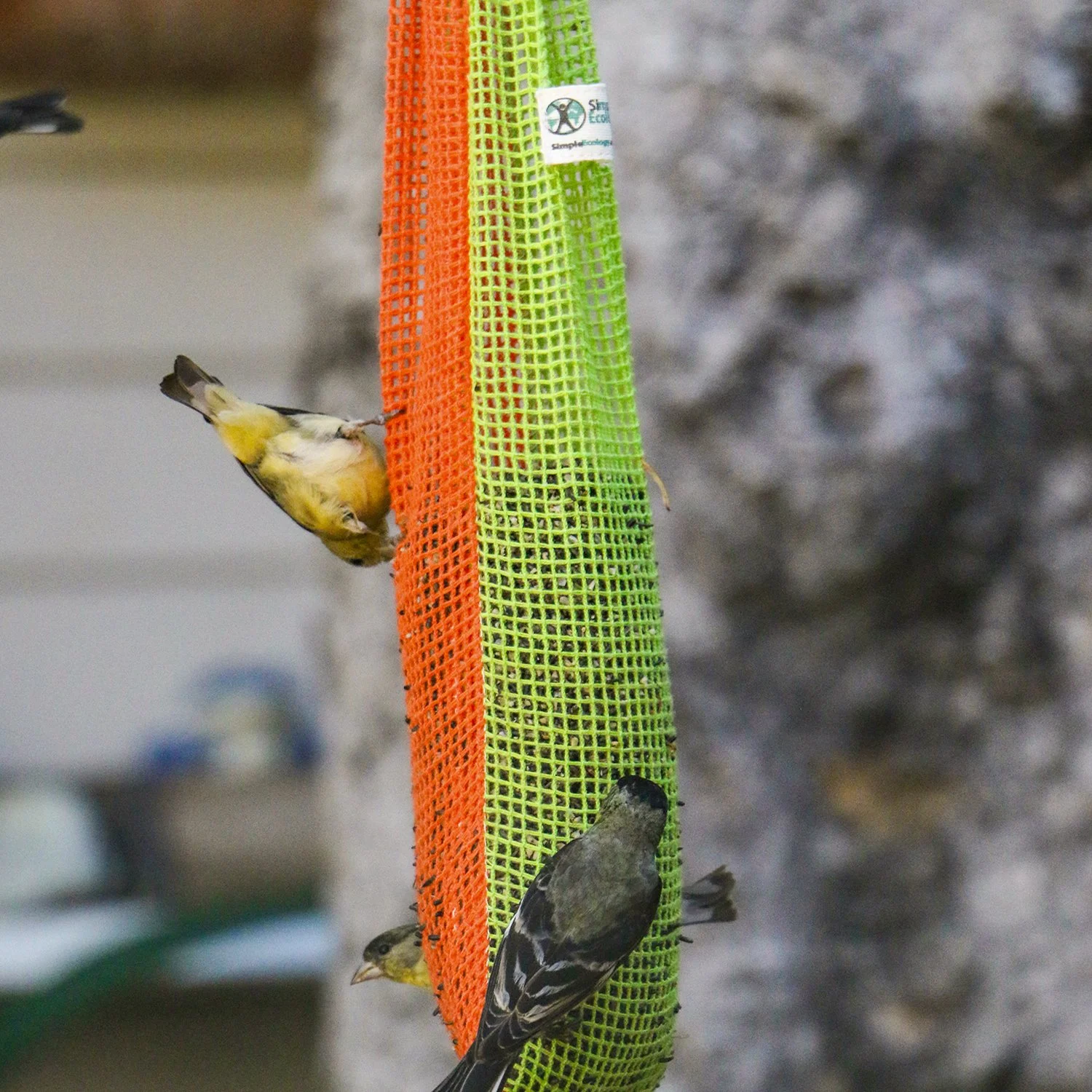
Our upcycled bird seed sacks are a wonderful way to birdwatch and feed the local wildlife without contributing to an ever growing plastics problem. With typical synthetic seed sacks, the birds pick directly at the plastic webbing, eventually tearing holes into the fabric while scattering & ingesting tiny plastic particles. However with a woven stretchable cotton such as this, the birds can actually wiggle the cotton strands aside to get the seeds out, retrieving their food without damaging the bags or consuming microplastics!
On top of that, these seed sacks are made of upcycled organic cotton mesh fabric, designed so that nothing goes to waste! Sewn together with cotton thread, they are completely compostable, even in a home compost setting.
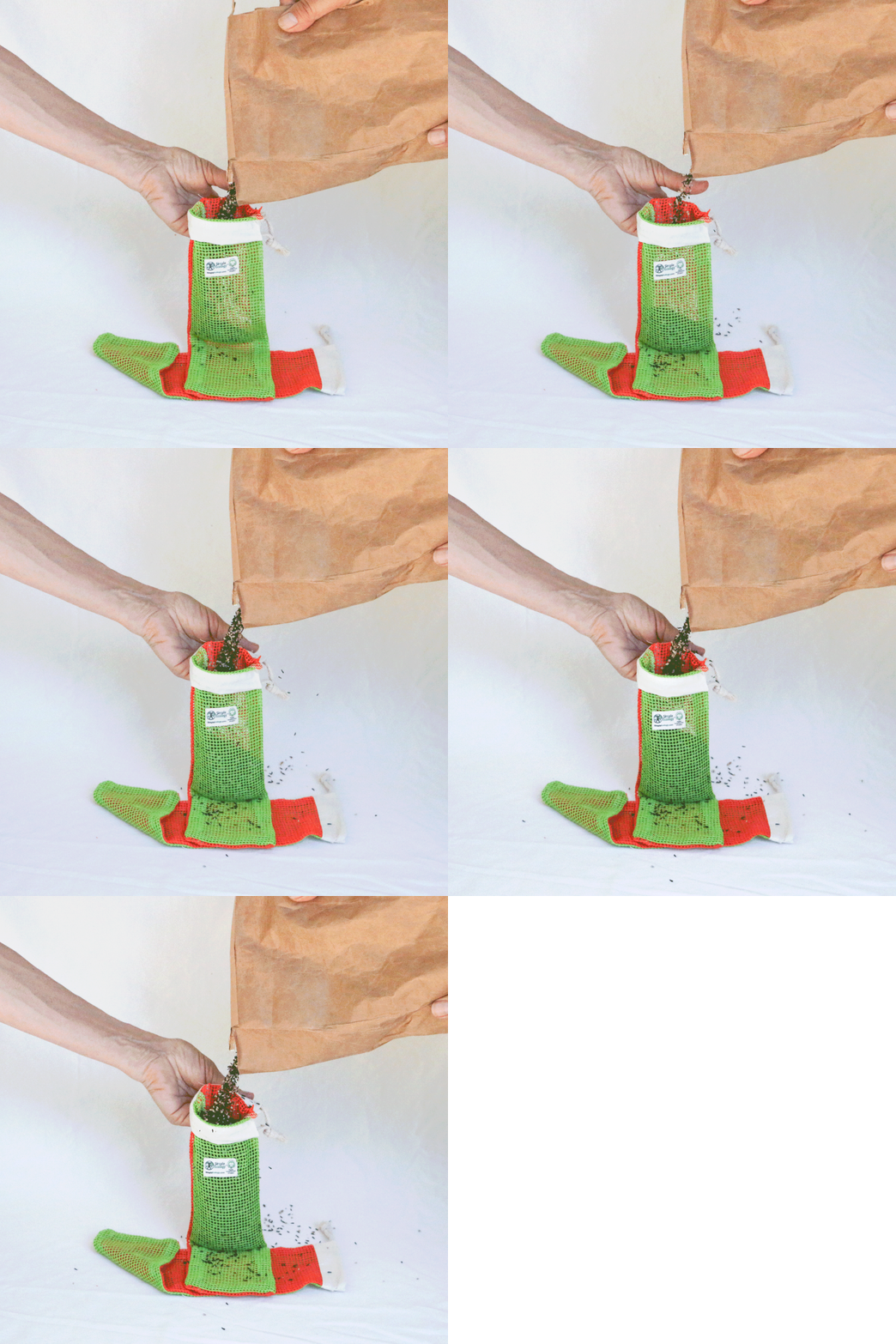
We recommend filling with a birdseed blend primarily of thistle, nyjer, and sunflower seeds, perfect for finches and other small songbirds. As the sack is made of a double layer of mesh fabric, it’s normal that some seeds will spill out during the filling and hanging process, so fill these outside where the birds can clean up any mess. Then just cinch the drawstring closed and hang by the loop, and watch the birds fly in!
CARE INSTRUCTIONS
Filled sacks can be hung outside for year round use. However as the seeds themselves are prone to molding with moisture, we recommend moving filled sacks to a covered location or taking them down in the event of rain or excess wind.
If desired, these sacks can be washed by hand or machine in COLD water, then flat or line dry. Materials are prewashed, so shrinking should be minimal. Sacks may appear wrinkled after washing, but will stretch out once refilled with seeds.
In the event of tearing, we’d encourage you to try patching these up before composting! Either sew any small tears together by hand, or add a patch of scrap fabric onto larger holes for prolonged use. At the end of life, sacks can be chopped up and put into the compost for natural decomposition.